The Sailtunities Project
Our vision
Unveiling Our Project's Vision
With the introduction of the European Green Deal, the Commission set out an ambitious plan to transform Europe's economy and make it the first climate neutral continent by 2050. One of the priorities of the plan is preserving and protecting seas, oceans, and environment in a way that they continue sustaining us in the future.
Fighting climate change as well as promoting sustainable societies require, among others, STEAM-driven solutions. Therefore, our Partner Consortium developed a project that addresses one of the pressing environmental issues — water pollution.
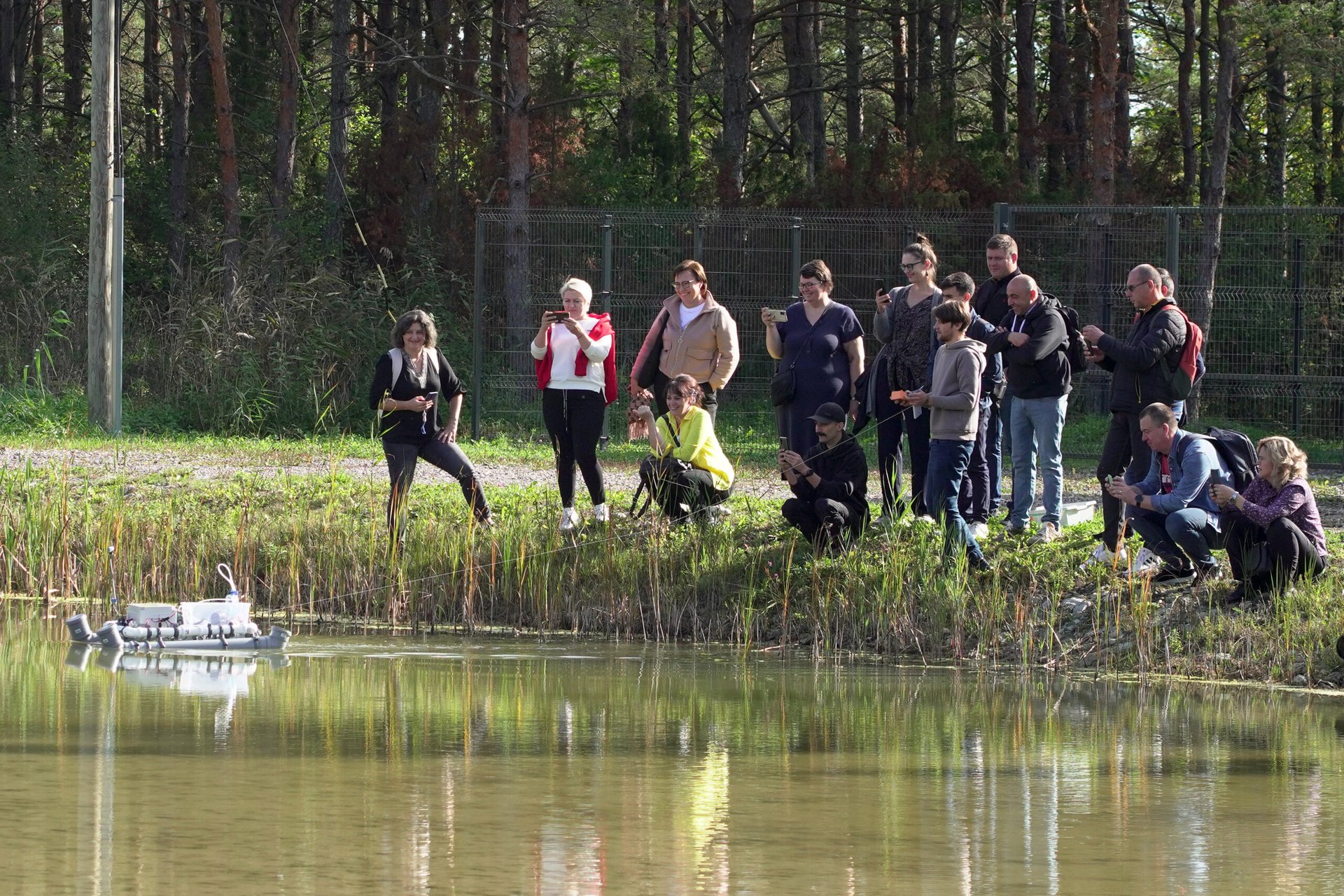
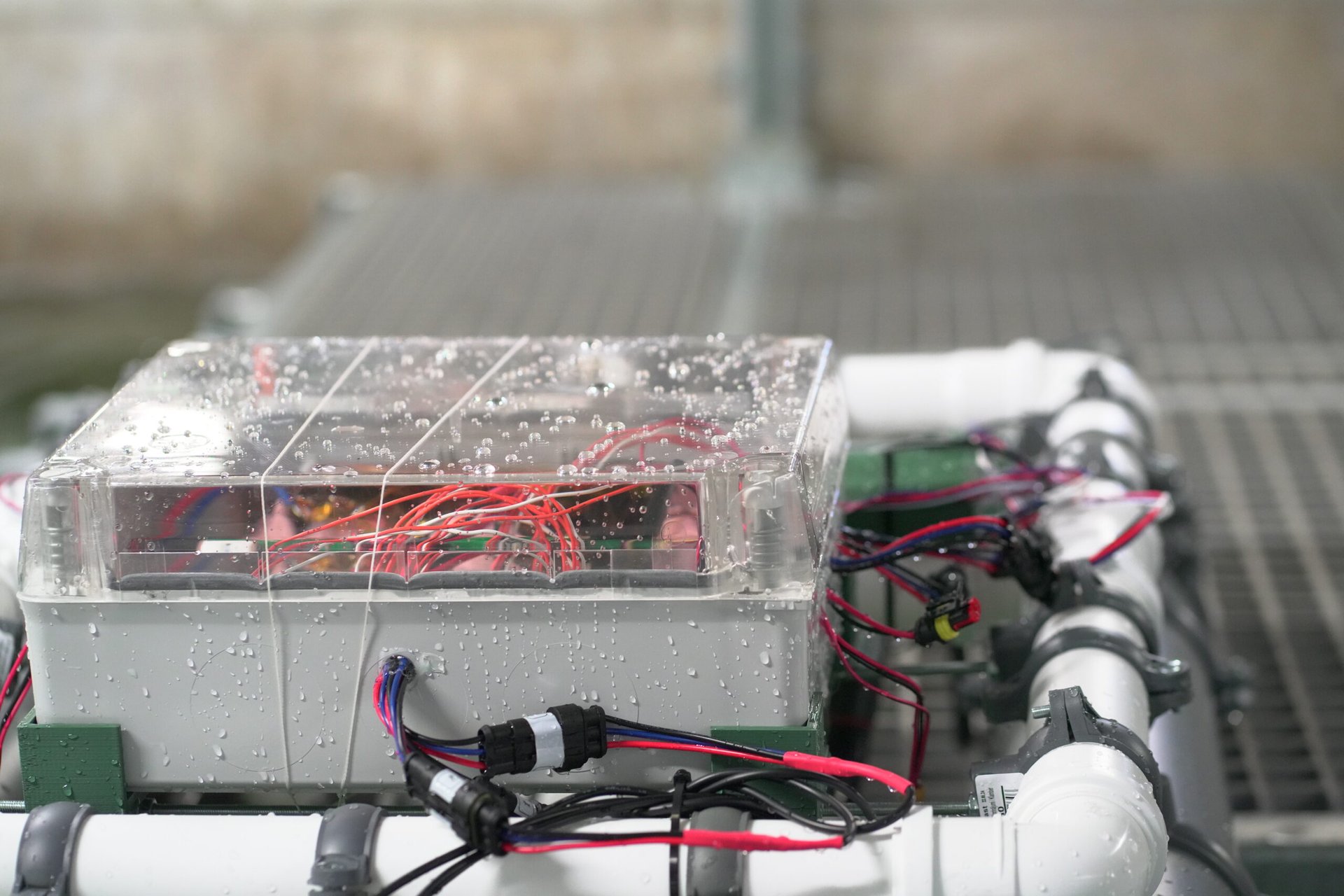
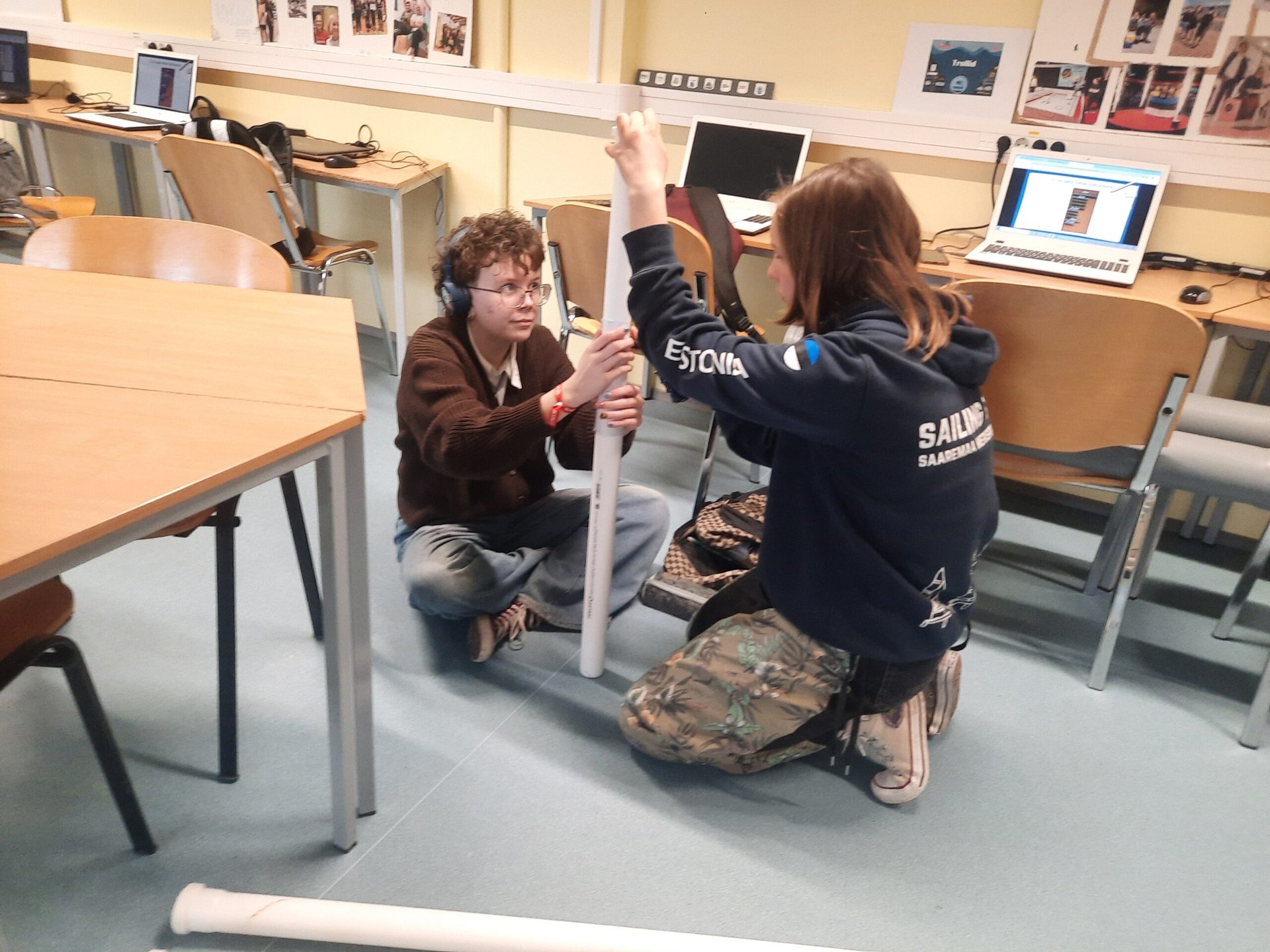
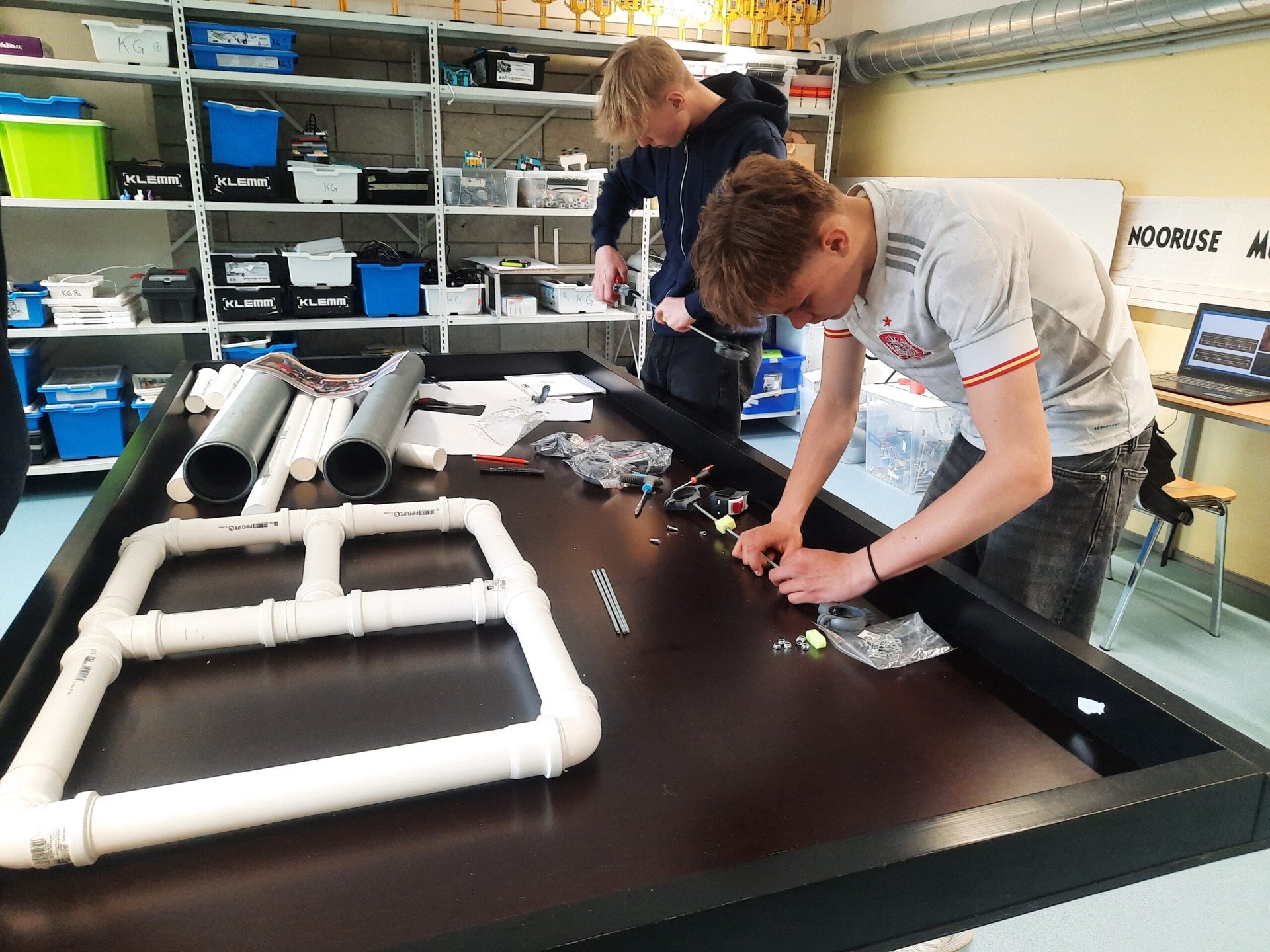
As a centre of the project, teams of 13–19 year old students constructed and used radio-controlled boats for data collection. Our concept offers a multidisciplinary, hands-on, collaborative, and real-world approach to strengthening STEAM competencies essential for success in the 21st century.
What we wanted to achieve
🚢
Innovative methodology
Develop an innovative methodology for implementing research performed by robotic boats.
👩🏫
Teacher competence development
Provide teacher competence development in order to ensure the sustainability of the methodology in partner organisations and beyond.
🎓
Student engagement
Engage 13–19 year old students in learning activities that stimulate creativity, develop technological, personal and social skills and enhance interest in STEAM.
📢
Dissemination
Disseminate the project results at local, regional, national and European levels and across a variety of sectors.
What results did we achieve?
600+
Students
gained multidisciplinary knowledge and skills by taking part in the pilot course
20+
Partner teachers
from partner organisations obtained new competencies
255+
Other teachers
from schools beyond partner organisations gained knowledge of the methodology
An innovative, highly adaptable and transferrable methodology, validated in 4 countries, was delivered. Materials were translated into national languages (Lithuanian, Romanian, Italian and Estonian) and the languages of involved national minorities (Russian and Polish).
Activities of the project
Development of lesson materials
An innovative learning content covering 48 hours of classroom and field study. Materials comprise a guidebook for teachers, presentations, instructional materials, and other resources — translated into 4 national languages.
Teacher training
Over 20 teachers from partner organisations developed their competencies during a 4-day transnational training activity. 255+ teachers from outside partner organisations gained theoretical and practical knowledge during national seminars.
Pilot courses
Students in each partner country participated in the full pilot course — building radio-controlled boats and using them to collect water quality data in local water bodies.
Stakeholder involvement
Associated partners include educational institutions, private companies engaged in shipbuilding, local/regional administration authorities, museums, libraries, chemical laboratories, and NGOs.
Dissemination activities
Partners work actively to promote the project at local, regional, national, EU and international levels. Major activities and events are listed in the News section.
Intellectual outputs
The project produced openly available methodology materials — freely accessible on play.gaminu.eu and the Erasmus+ project results platform.